

TEAM
AERIAL

Autonomous In-Flight
Battery Replacement.

Gemstone Honors College Logo Honors College Logo
ABOUT

Building a mid-air battery exchange system that turns short-flight drones into persistent autonomous aircraft.

Why it matters

Emergency response, infrastructure inspection, and wide-area monitoring all suffer when a drone has to land every half hour. We are designing the support layer that keeps the mission alive.

The Core Idea

One drone flies the mission. Another keeps it powered.

Instead of treating low battery as the end of a sortie, Team AERIAL treats it as a handoff event. Our service drone intercepts the active UAV, aligns in flight, swaps the battery pack, and releases the aircraft back to work without a landing cycle.

20-40 minutes of typical UAV endurance today
0 required landings during a successful swap
1 autonomous support loop for persistent flight
The Problem

Modern UAVs still operate on a stop-and-start rhythm. Every battery change means lost coverage, lost time, and extra human coordination. For search and rescue, remote inspection, and persistent sensing, that interruption is the mission bottleneck.

What Makes Us Different

Earlier concepts often relied on dropping packs between aircraft or using simplified transfer assumptions. We focus on rigid docking and controlled mechanical exchange, because reliability matters more than novelty theater when two drones are meeting in open air.

How It Works
01
Detect and rendezvous

The service drone identifies a low-power mission aircraft, plans an intercept, and approaches with vision-guided relative positioning.

02
Dock with control authority intact

Both vehicles maintain a stable flight envelope while the docking interface constrains alignment and absorbs small motion errors.

03
Exchange the battery pack

A custom mechanism ejects the depleted pack and seats a fresh battery quickly, with geometry doing most of the alignment work.

04
Return to mission

After verification and release, the mission drone resumes its task while the service platform resets for the next support cycle.

Research Focus

The project brings together controls, perception, mechanical design, and systems integration. The hard part is not any one subsystem by itself, but making all of them cooperate inside a very small error budget.

Mission Outcome

If we can make in-flight battery replacement dependable, we unlock longer-endurance UAV operations without redesigning every mission aircraft around a larger battery or a full charging station.

Autonomous Systems UAV Engineering Battery Exchange Computer Vision Flight Controls Mechanical Design Systems Integration
Built By Team AERIAL

We are approaching endurance as a systems problem: not by asking one drone to do everything, but by designing a coordinated aerial support architecture that scales with the mission.

RESEARCH

Our progress so far.

First Successful Physical Docking Simulation

Our simulation framework achieved a 94% docking success rate in controlled-condition trials, validating the relative localization pipeline and approach geometry. The service drone consistently closed to within 12mm of the target docking port before initiating latch engagement.

Read more →

Battery Transfer Mechanism: Prototype v1 Complete

The mechanical subteam completed the first prototype of the battery gripper. The design uses a passive latch system requiring no torque sensing — the pack is ejected by spring force and the fresh battery clicks into place under its own geometry. Bench testing showed 100% latch success across 40 trials.

Read more →

Cooperative Control Strategy Finalized

After benchmarking three coordination architectures, the controls subteam selected a leader-follower strategy for the docking phase. The mission drone holds a fixed hover while the service drone executes approach corrections in real time using a PD controller tuned in Gazebo. Wind rejection tests are ongoing.

Read more →

Literature Review: State of In-Flight Battery Replacement

A review of 40+ papers reveals no prior work has achieved reliable physical docking for battery transfer. Existing approaches rely on drop-and-catch or tethered methods, each with significant reliability and safety drawbacks. Our docking-first design represents a genuine gap in the literature.

Read more →

Team AERIAL Officially Formed

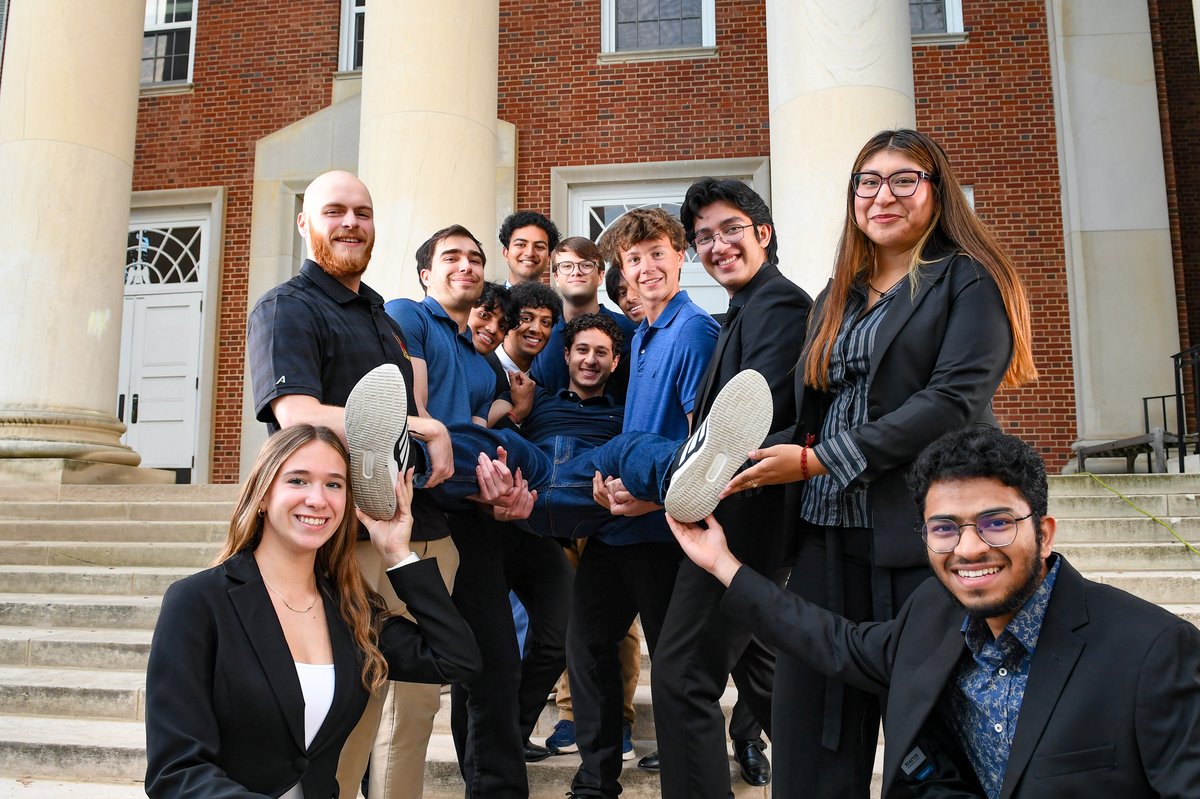
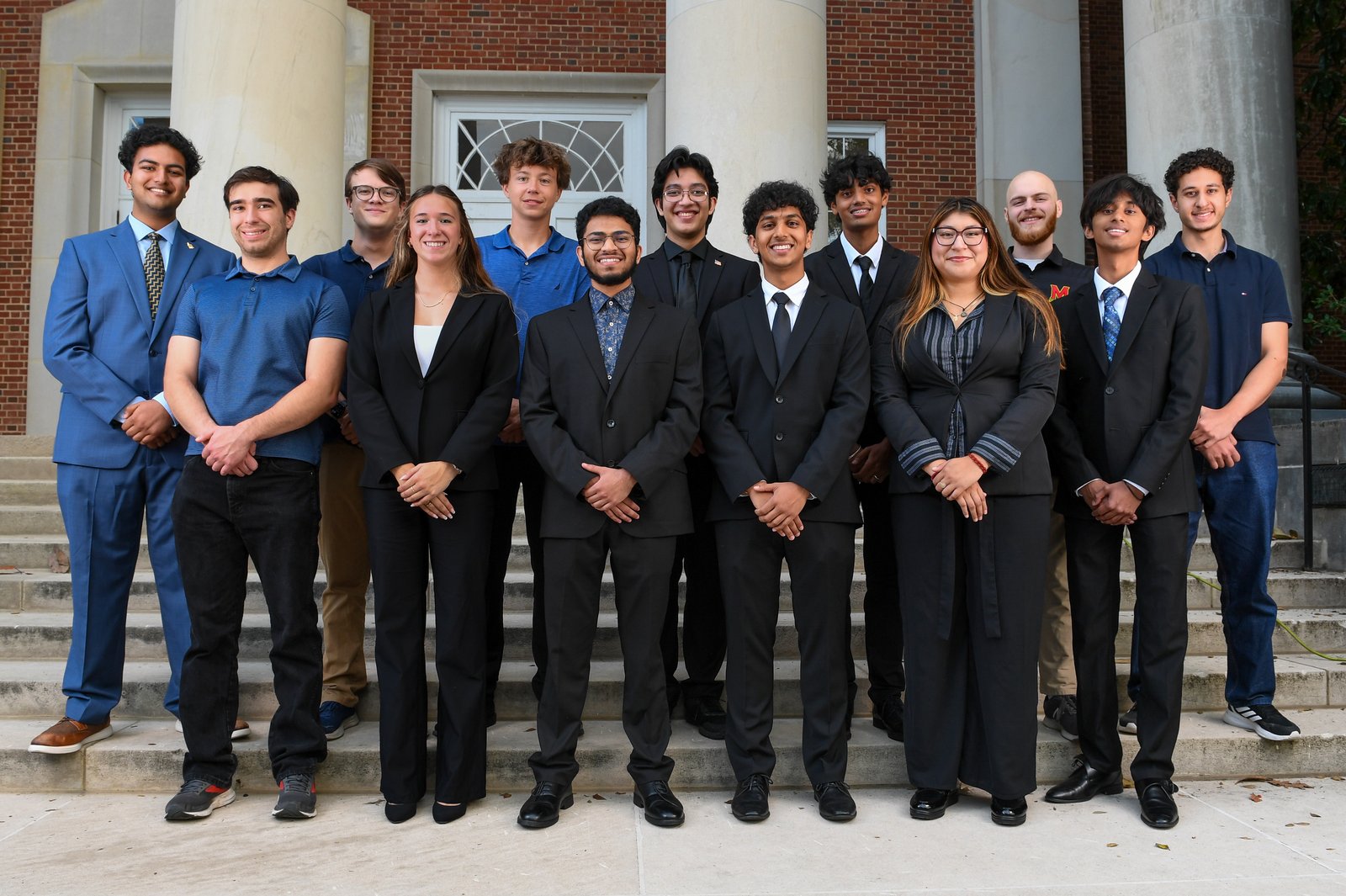
13 students from the A. James Clark School of Engineering joined forces under the UMD Gemstone Honors Program to tackle one of the most open problems in UAV autonomy. Subteams for controls, mechanical design, perception, and systems integration were established in the first two weeks.

Read more →
THE
TEAM

13 undergraduate researchers across robotics, aerospace, and computer science.

TBD
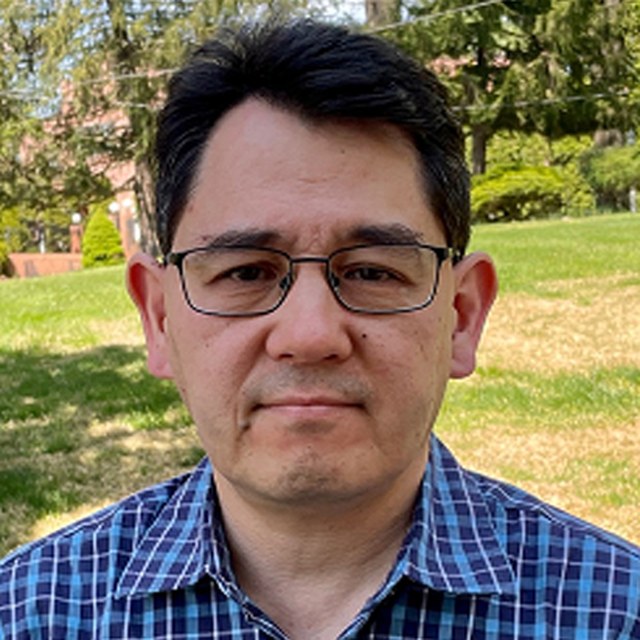
TBD, Team Mentor
KI
Krishay Iyer, Team Lead, Mechanical Engineering
SH
Shane Howard, Clerk, Aerospace Engineering
SJ
Siddharth Jain, Financial Liaison, Computer Science
NM
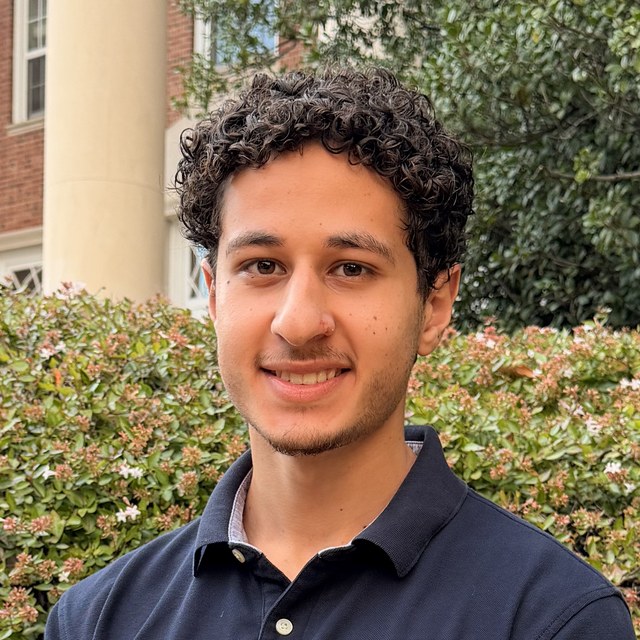
Nithin Manikandan, Website Liaison, Computer Science
JG
Jessica Gogol, Social Media Manager, Aerospace Engineering
XS
Xochilt Saavedra, Library Liaison, Aerospace Engineering
BS
Bassil Shalaby, Ombudsperson, Computer Science
AM
Abdul Mateen Sayed, Aerospace Engineering
JR
John Ritsko, Computer Science
JT
Jayesh Tiwari, Mechanical Engineering
CA
Cristan Allen, Mechanical Engineering
CS
Connor Smith, Mechanical Engineering
RG
Raghav Goel, Computer Science
LB
[Librarian], Team Librarian
CONTACT

Have a question or want to collaborate?

tbd[at]umd.edu →
Location

University of Maryland, College Park

Program

Gemstone Honors Program